
Study Tour in Zambia
12 Nov 2026
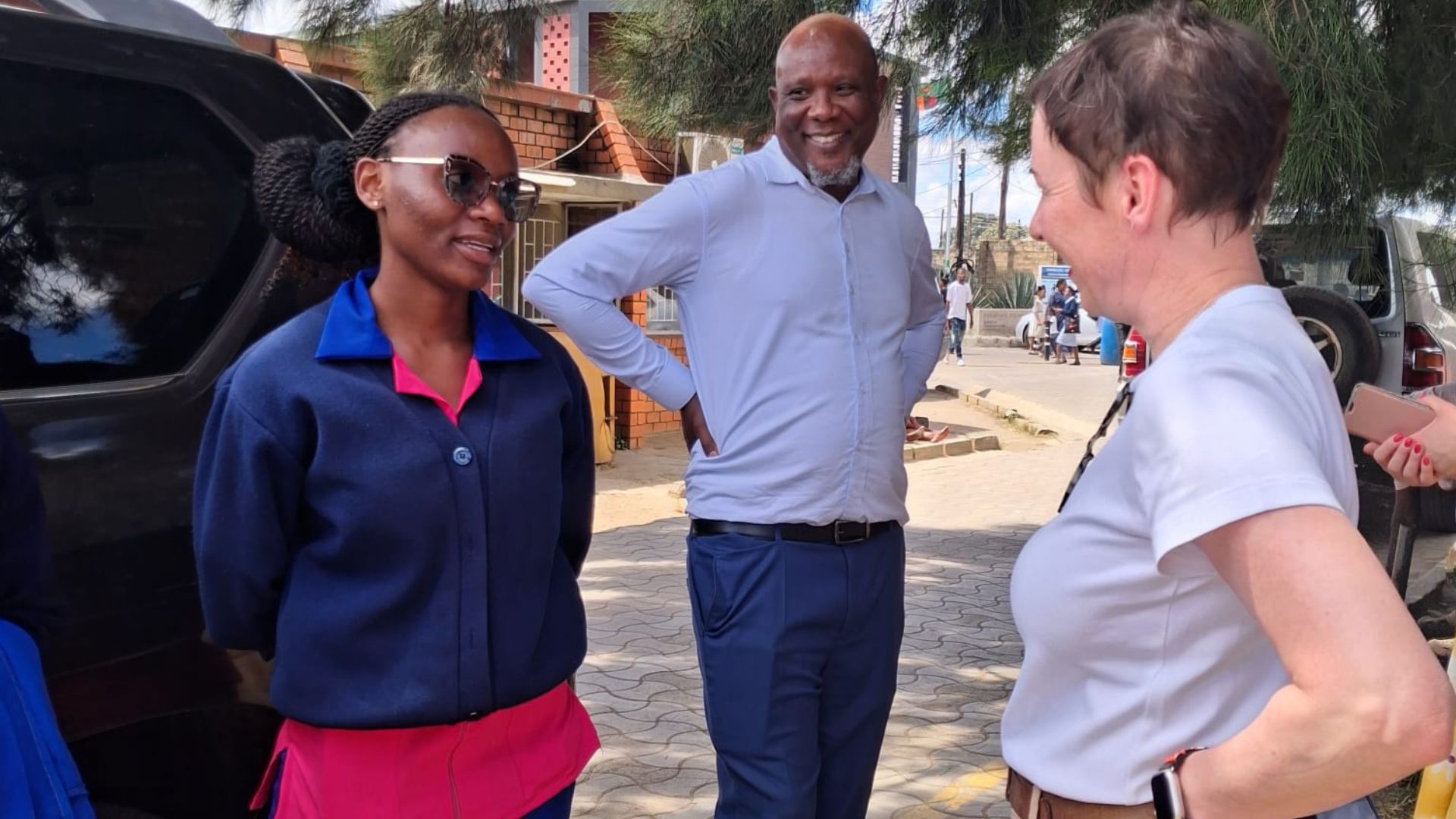
From 12–18 April 2026 EPF, in partnership with the Planned Parenthood Association of Zambia (PPAZ), has led a delegation of Members of Parliament through a study tour in Zambia. The 7 MPs from all across Europe took a dive into the reality of the Zambian SRHR landscape. This included insights into the health service delivery in urban and rural areas, as well as national priorities and financing dynamics.
Zambia represented a particularly relevant case study due to its combination of important progress and persistent structural challenges in SRHR:
- Maternal mortality has declined significantly and access to modern contraception has improved
- Adolescent pregnancy remains high, with around 29% of girls aged 15–19 having begun childbearing
- Inequalities in access to services persist, particularly in rural and underserved areas.
- Zambia’s health system also remains highly dependent on external financing, with donors accounting for approximately half of total health expenditure, raising important questions about sustainability and domestic resource mobilisation.
From Health Facilities, to Youth Organisation, to Parliament
The study tour provided the Members of Parliament with many insightful excursions and meaningful exchanges with representatives from government, civil society, UN agencies (UNFPA, UNESCO, UNAIDS) and health service workers. Visits to a Chawama Outreach site, a Planned Parenthood Clinic in Lusaka and to the Livingstone District of Zambia's Southern ProvinceThe EPF delegation visiting a Youth Organisation in Zambia showcased the realities of service delivery and outcomes in two very different settings: urban and rural. Especially in the latter, the access to health services is linked to staffing constraints, supply chain challenges, and the need to respond to a wide range of community health needs with limited resources. Focusing on one of Zambia's main SRHR-challenges, adolescent pregnancy, the EPF-delegation also visited a youth organisation discussing the importance of youth leadership in addressing barriers to information and access to services.
Exchanges with District Governance representatives also led to open discussions about national SRHR policies implemented at local level, and coordination between sectors, while addressing adolescent pregnancy, Sex workers, HIV testing, access to education and information, and gender-based violence. Further political exchanges also involved shared meetings with Members of Parliament from Tanzania, Malawi, Zimbabwe and Botswana during a visit at the National Assembly in Lusaka. There, the MPs discussed potential pathways to strengthen Zambia's financing sustainability through innovative financing mechanisms, moving away from donor-dependency.
For any additional information, please contact:
Tim Richter-James, EPF Communications Officer