
Disappearing Development Assistance: Drastic Trend With Global Consequences
12 Nov 2026
Humanitarian crises, conflicts, economic instability, and shifting political priorities: Millions of people are lacking sustainable essential health services, including sexual and reproductive health and rights (SRHR). Across the world, access to these services remains deeply unequal, while at the same time development funding is under increasing pressure.
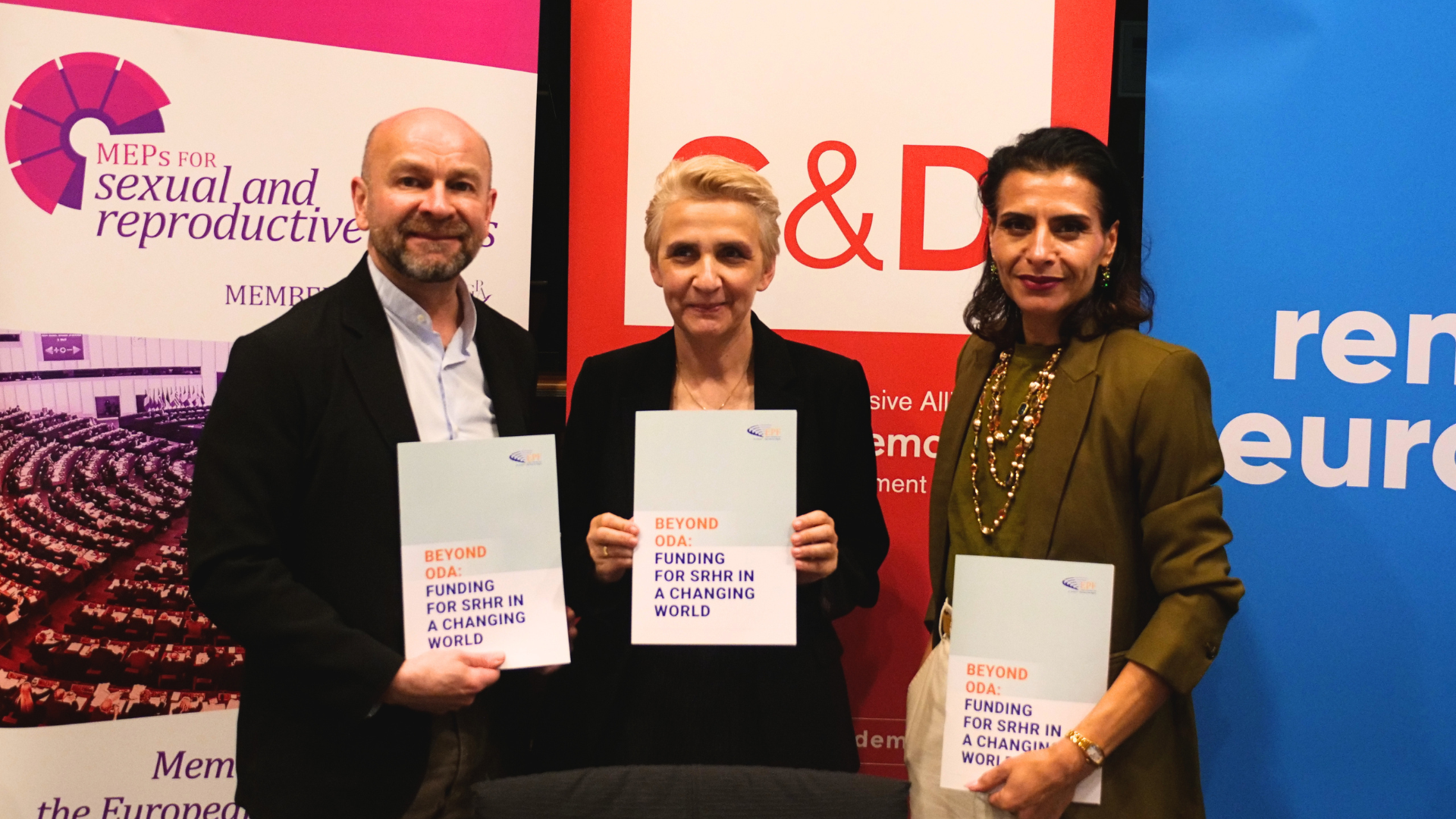
On 13 May the European Parliamentary Forum for Sexual and Reproductive Rights (EPF) launched its new report “Beyond ODA: Funding for SRHR In A Changing World” at the European Parliament in Brussels. Hosted by MEP Abir Al-Sahlani (Renew Europe, Sweden) and MEP Joanna Scheuring-Wielgus (S&D, Poland) the event brought together researchers, civil society leaders, and policy experts. The speakers focused on the global decline in Official Development Assistance (ODA), the dire consequences behind the disappearing support and the EU leadership opportunity.
“Beyond ODA: Funding for SRHR In A Changing World”
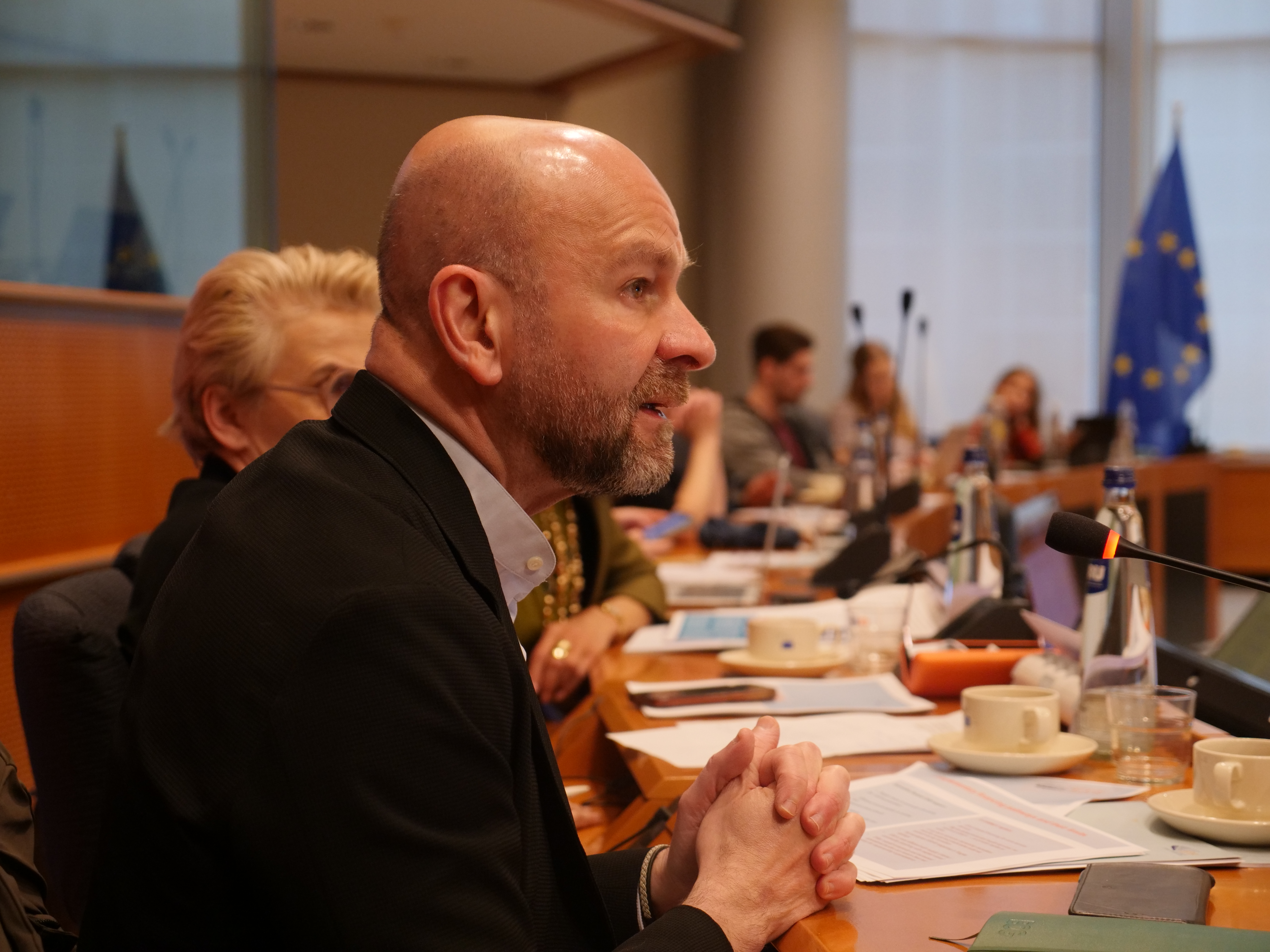
EPF Executive Director, Neil Datta, presented EPF's new report shining a light on the gap of unmet SRHR need that the decline in ODA creates. A gap that is almost US$ 54 billion wide yearly and costs lives everyday in 128 low- and middle-income-countries. Neil Datta presenting the report from EPF. There, every year nearly 300.000 women die from a preventable death while giving birth. At the same time millions suffer through harmful practices such as child marriage and female gender mutilation, and lack access to contraception and family planning. Yet in 2025 funding for development programs and projects has gone down by more than 26%. Largely, this is due to severe cuts from the biggest donor countries, such as the USA, Germany, the UK, Japan and France in times of domestic political shifts.
Just the cuts from the USA added up to US$ 374 million lost. These are cuts with grim outcomes. Should the defunded US programs not be replaced, by 2030 this will lead to 2,5 million additional child deaths, 340.000 additional maternal deaths and up to 55 million unplanned pregnancies as a Lancet article projects.
Insights From Ethiopia
As a guest-speaker Nardos Hagos from IPPF Africa pointed to impacts already felt and witnessed in Africa; such as almost 6 million people unable to access SRHR services, including HIV/AIDS testing and commodities. In Ethiopia these reduced services especially affect poor and underserved adolescents, sex workers, internally displaced persons and people living with HIV/AIDS. Within just two years this amongst other things could lead to 25.000 preventable child deaths.
Recommendations and Leadership Opportunities
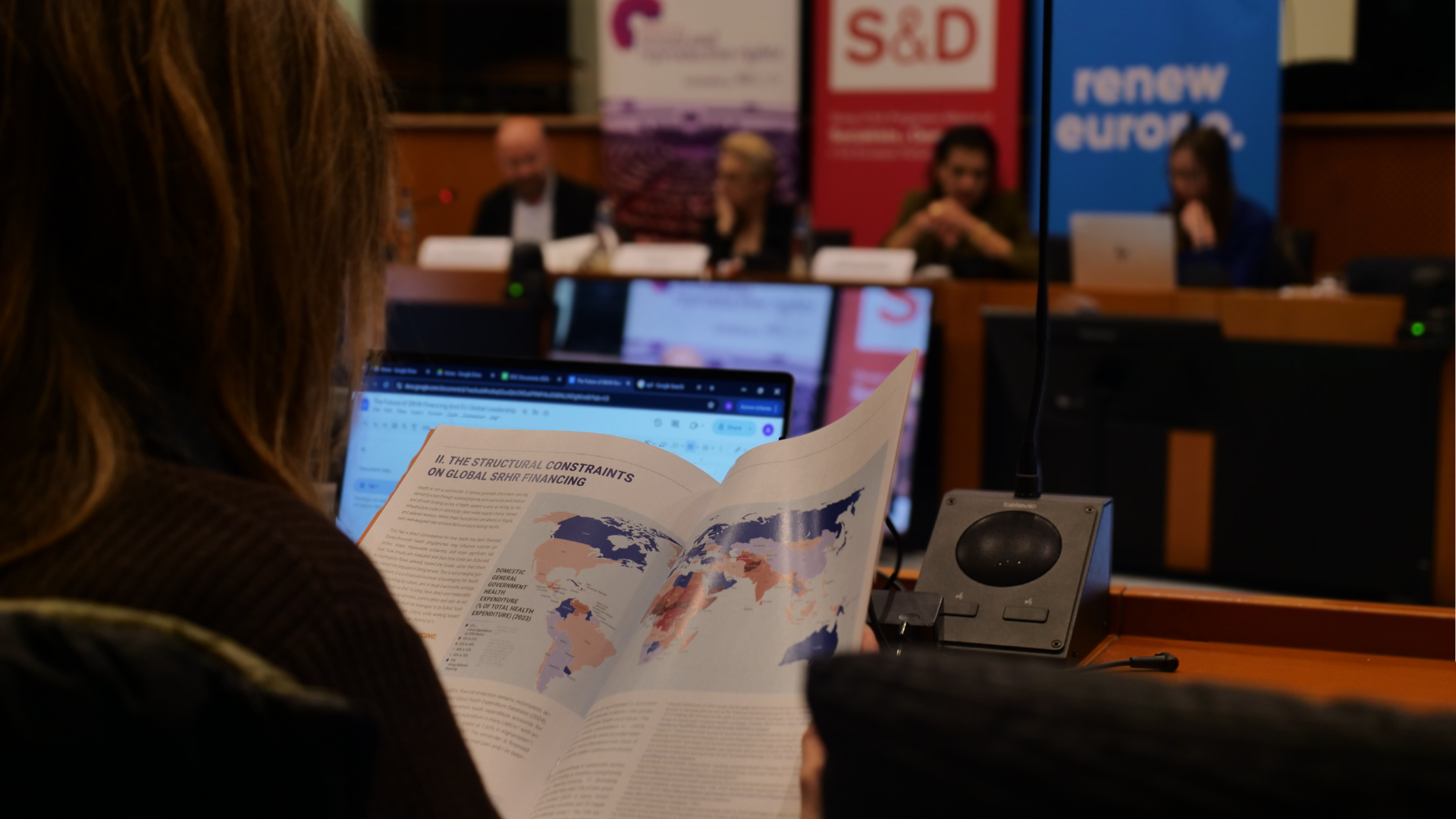
Both Neil Datta and Nardos Hagos stressed: More awareness needs to be raised within the parliaments and governments. SRHR needs to be a priority, as right now, instead it often serves as an entry point to attack human rights, democracy and security. There also needs to be a shift in the frame-work of ODA-reports focusing less on money spent but rather on populations served. Rapid cuts of funding in low-income countries is not money but lives lost. Even though investing in ODA also comes financial benefits globally.An event-participant reading the new report with the speakers in the background. According to UNFPA a single US Dollar invested in reproductive, maternal, newborn and child health in developing countries could deliver a return between 7 and US$11. Neil Datta pointed out that more effort is needed to invest in tax capacity and debt sustainability as those are some of the biggest financial challenges in developing countries making them dependent on development assistance.
Europe being the world's largest aid provider - through funds from the institutions and the individual member states - has a unique leadership opportunity, as the legal basis, the normative framework and the financial weight are already in place. Innovative financing can be explored not instead of but next to Official Development Assistance. Closing the gap for unmet need is a question of political commitment.
Policymakers must:
- Strengthen predictability through multi-year SRHR financing and continuous commodity supply chains.
- Protect grant financing as well as maintain and expand grant-based ODA for core SRHR in LICs and fragile states.
- Align ODA with domestic transitions and invest in tax capacity, debt sustainability, public financial management in developing countries.
- Use innovative finance selectively as loans and innovative finance cannot substitute where no revenue stream exists.
- Improve humanitarian–development coherence. Emergency and development financing must be coordinated, not siloed.
- Report on outcomes, not budgets as accountability must flow toward populations served, not toward donor disbursements.
For any additional information, please contact:
Tim Richter-James, Alphea Communications Officer